

Deep-hole drilling produces a bore. Honing determines whether that bore performs. The two processes are often treated as separate line items on a job, or worse, as alternatives, even though they are two halves of a single outcome. A precisely drilled deep hole with a poor surface finish will underperform in service. A honed bore built on an inaccurately drilled hole will never meet the tolerance the application requires.
The relationship between the two is where much of the bore performance is won or lost. This article explains what honing does to a deep-drilled bore, why the sequence matters, and where the combination of accurate deep-hole drilling followed by controlled honing produces results that neither process delivers on its own.
Table of Contents
What Deep Hole Drilling Leaves Behind
Deep hole drilling, whether by gun drilling or the BTA method, is a remarkably accurate process. It produces holes with excellent straightness and depth-to-diameter ratios that conventional drilling cannot match. For a fuller explanation of the process, our guide to what deep hole drilling is covers the fundamentals.
But accurate is not the same as finished. Even a well-executed deep hole drilling operation leaves a bore with characteristics that many applications cannot tolerate as-drilled:
- A surface finish that, while good for a drilling process, is coarser than many bearing, sealing, or hydraulic applications require
- Minor dimensional variation along the bore length within the drilling tolerance band
- Potential for slight taper or barrelling over long bore lengths
- Tool marks and a directional finish pattern left by the cutting action
For some applications, an as-drilled bore is entirely adequate. For many others, particularly those involving a moving component, a seal, or a pressure boundary, honing turns an accurately drilled hole into a functional bore.
What Does Honing Do?
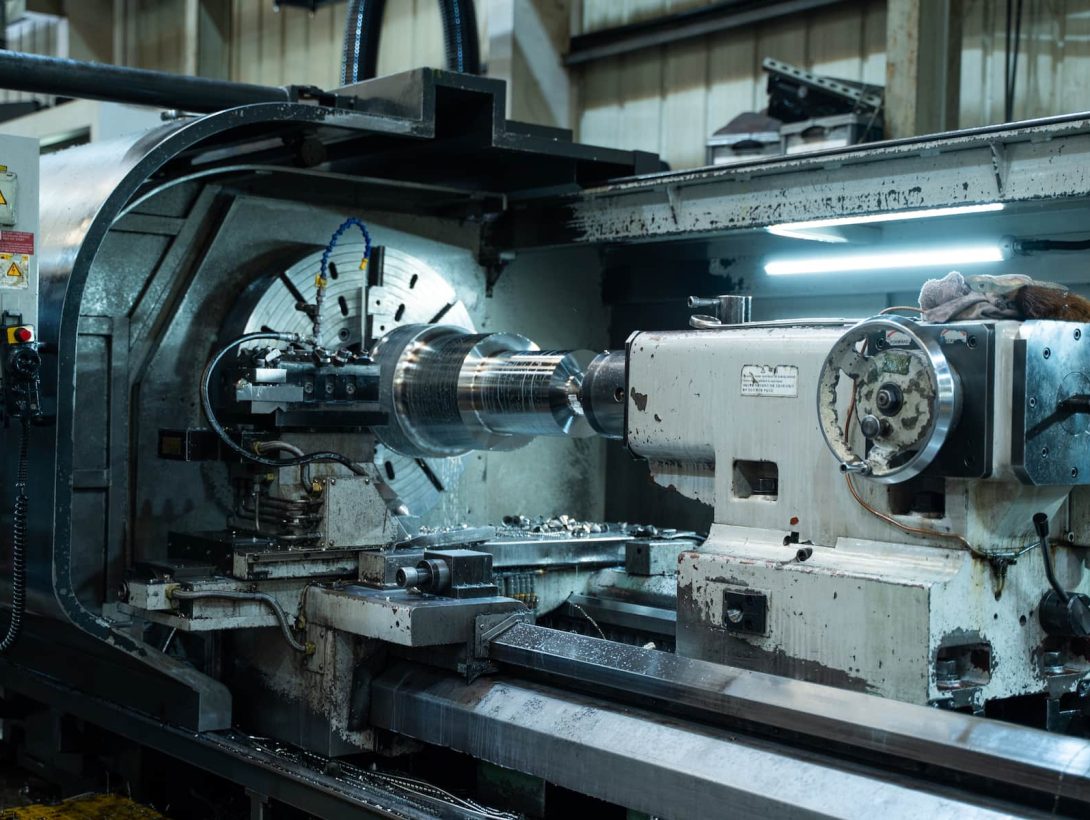
Honing is an abrasive finishing process that uses bonded abrasive stones, expanded against the bore wall and moved in a controlled rotating and reciprocating motion, to remove a small, precise amount of material from the bore surface. The effect is threefold, and each of the three matters for bore performance.
It corrects geometry
Honing does not simply polish. Because the honing tool floats against the bore surface and removes material from the high points preferentially, it corrects minor geometric imperfections left by drilling: slight taper, barrelling, and out-of-roundness. The result is a bore that is more cylindrical along its full length than the drilling process alone can achieve.
It achieves the surface finish
This is what honing is best known for. The process produces a controlled, measurable, repeatable surface finish to the Ra value the application requires. For hydraulic cylinders, bearing bores, and sealing surfaces, the honed finish is not a cosmetic improvement. It is a functional requirement that determines how the bore performs under load and over time.
It creates the crosshatch pattern
Honing produces a characteristic crosshatch pattern on the bore surface, formed by the combined rotating and reciprocating motion of the tool. In lubricated applications, this crosshatch is critical. It retains a film of lubricant against the bore wall, which is exactly what a piston, seal, or bearing needs to run without premature wear. A mirror-smooth bore with no crosshatch would perform worse in a lubricated application than a correctly honed one, because it cannot hold the lubricant film.
Why the Sequence Makes or Breaks the Result
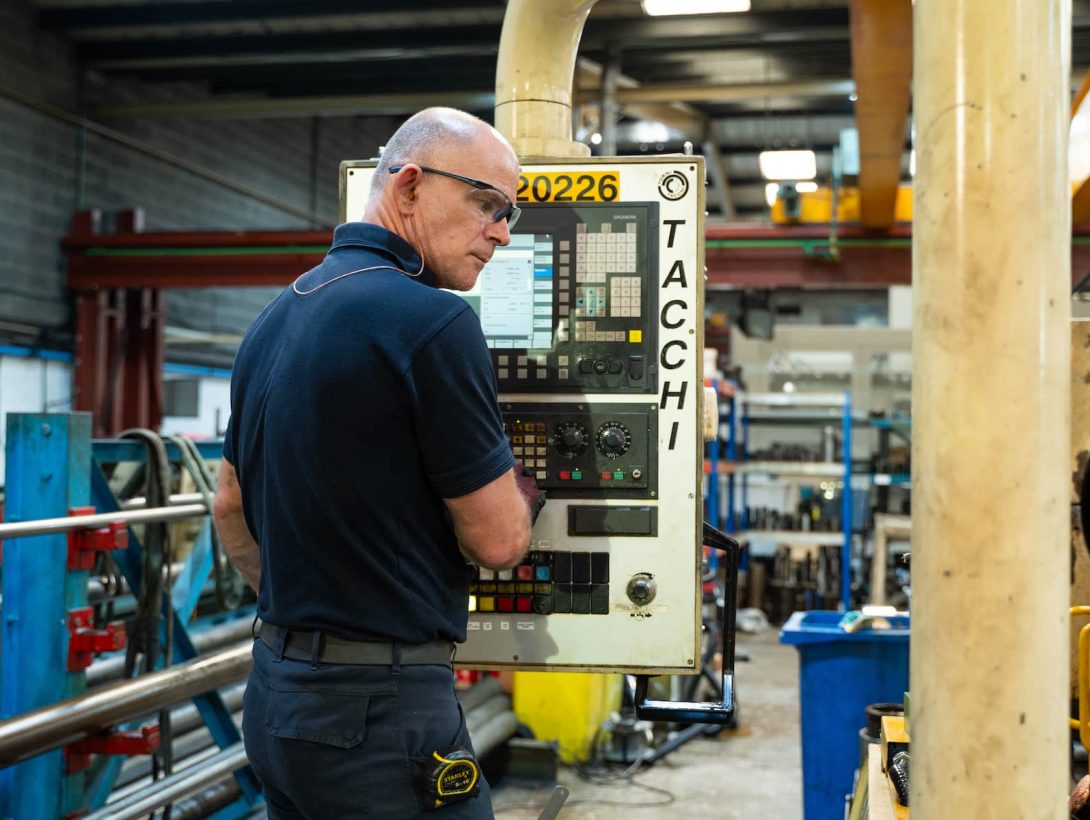
The order is not negotiable. Deep hole drilling first, honing second. But the more important point is that the quality of the drilling operation directly determines what the honing operation can achieve. Honing is a finishing process, not a rescue process.
| Drilling outcome | Effect on honing | Bore performance result |
|---|---|---|
| Accurate, straight, minimal stock variation | Honing removes even, minimal stock to finish | Optimal geometry and finish, maximum bore life |
| Slight taper or barrelling within tolerance | Honing corrects geometry, more stock removed | Good result, achievable with adequate honing stock |
| Significant runout or bore wander | Honing cannot fully correct; stock runs out | Compromised geometry, bore may miss tolerance |
| Oversized or undersized beyond honing range | Honing cannot recover dimension | Component scrapped or reworked |
This is why deep hole drilling and honing are best carried out by the same specialist, in a controlled sequence, rather than split across two suppliers. When the same engineering team controls both stages, the drilling operation is executed with the honing stage in mind, leaving the correct amount of stock for honing to remove and ensuring the drilled geometry is within the range that honing can finish to specification.
The Honing Stock Allowance
One of the most important interfaces between the two processes is the honing stock allowance: the small amount of material intentionally left on the bore by the drilling operation for the honing process to remove.
Too little stock, and honing cannot correct the drilled geometry or fully clean up the drilled surface before reaching final size. Too much stock, and the honing operation takes longer than it should, increasing cost and, on long bores, introducing its own risks. The correct allowance depends on the bore diameter, the length, the material, and the final tolerance and finish required.
Getting this allowance right requires the drilling and honing operations to be planned together. It is one of the clearest practical reasons why the two processes belong under one roof rather than being handed between suppliers who each optimise only their own stage.
Where the Drill-Then-Hone Combination Matters Most
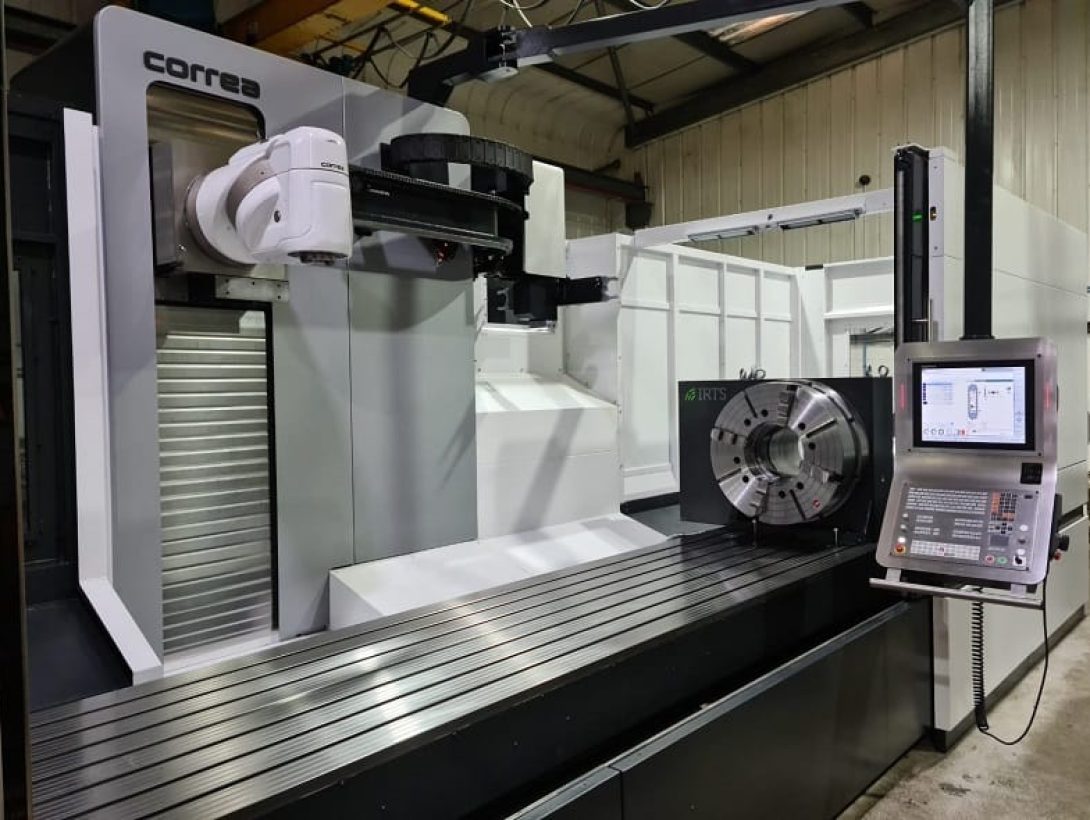
Not every deep-drilled bore needs honing. The combination becomes critical in applications where the bore surface has a functional job to do beyond simply existing at the right diameter.
Hydraulic and pneumatic cylinders: The bore is a sealing and sliding surface. Finish and crosshatch directly determine seal life, leakage rate, and smoothness of operation. An unhoned cylinder bore is not a viable cylinder bore.
Bearing bores: Where a shaft or bearing runs in the bore, geometry and finish determine load capacity, running clearance, and service life. Honing delivers the roundness and finishes the bearing interface requires.
Firearms and defence components: Barrel bores demand exceptional straightness from deep hole drilling and a precise finish from honing. Together, the two processes define accuracy and barrel life.
Fuel injection and high-pressure components: Bores that contain or direct high-pressure fluid depend on both dimensional precision and surface integrity. The combination of accurate drilling and controlled honing is what makes them fit for purpose.
Rollers and print cylinders: Long bores requiring concentricity and a consistent finish along the full length rely on the drill-then-hone sequence to hold geometry over distance.
Five Top FAQs
Can honing fix a badly drilled bore?
Only within limits. Honing corrects minor geometric imperfections such as slight taper, barrelling, and out-of-roundness, and it delivers the final surface finish. It cannot recover significant bore wander, major runout, or a hole that is already outside the range honing can finish to size. Honing is a finishing process, not a rescue for poor drilling, which is why the quality of the drilling stage is so important to the result.
Is honing always necessary after deep hole drilling?
No. For applications where the as-drilled surface finish and geometry are adequate, honing may not be required. It becomes necessary where the bore has a functional surface role, such as sealing, sliding, bearing, or high-pressure containment, or where the final tolerance and finish are tighter than drilling alone can achieve.
Why should drilling and honing be done by the same supplier?
Because the two processes are interdependent. The drilling operation needs to leave the correct honing stock allowance, and a geometry within the range honing can finish. When one specialist controls both stages, drilling is executed with honing in mind, producing a better and more predictable result than splitting the work between two suppliers.
What surface finish can honing achieve?
Honing produces a controlled, repeatable surface finish to the Ra value the application specifies, along with the crosshatch pattern needed for lubricant retention in moving applications. The exact finish achievable depends on the material, bore dimensions, and specification, and is confirmed by measurement as part of the process.
Does the crosshatch pattern really matter?
Yes, in lubricated applications it is essential. The crosshatch retains a film of lubricant against the bore wall, which is exactly what a piston, seal, or bearing needs to run without premature wear. A bore that is smooth but has no crosshatch can perform worse in a lubricated application because it cannot hold the lubricant film.
Two Processes, One Outcome
Deep hole drilling and honing are not competing processes, and they are not independent line items. They are two stages of a single objective: a bore that performs. The drilling delivers the accuracy and straightness. The honing delivers the geometry correction, the finish, and the crosshatch that turn an accurate hole into a functional bore.
Where both are carried out by the same specialist, in a controlled sequence with the correct stock allowance planned in from the start, the result is a bore that performs to specification and lasts in service. Where they are split, or where the drilling is executed without the honing in mind, performance is left to chance.
Mollart Cox Engineering provides both deep hole drilling and honing as complementary, controlled processes under one roof. To discuss a bore requirement that needs both accuracy and finish, contact the team through mollartcox.co.uk.